Tracing Climate Risks Through Global Food Supply Chains: An STSM at SEI Stockholm
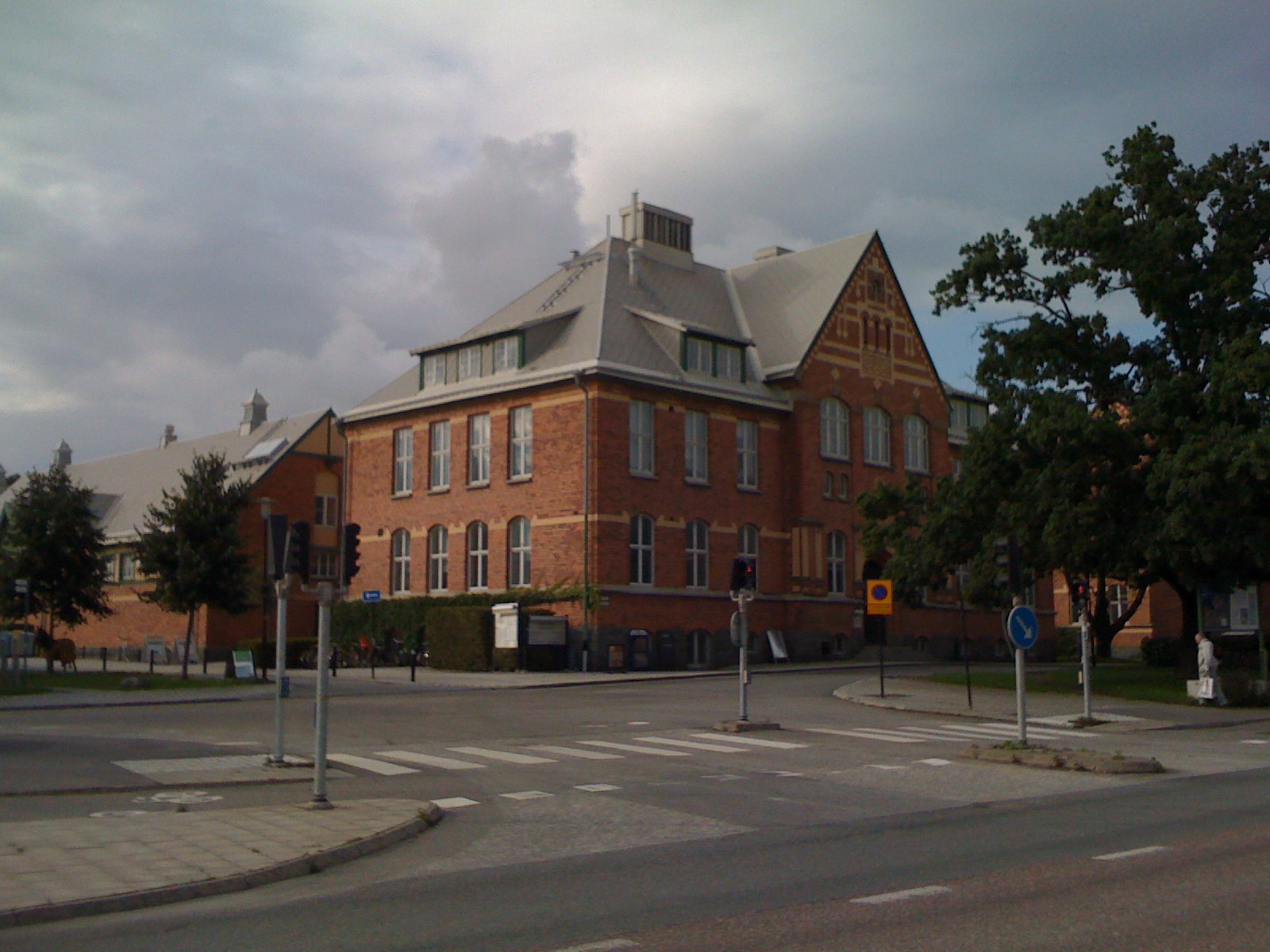
SuSanA Secretariat / Wikimedia Commons, CC BY 2.0
During my Short-Term Scientific Mission (STSM) at the Stockholm Environment Institute (SEI) in Stockholm, I had the opportunity to work with Johanna Hedlund within the project “Extreme weather: effects, measures and solutions for a long-term sustainable and resilient society”, advancing a joint research effort between SEI and ETH Zurich on how climate extremes propagate through global food supply chains via bilateral trade flows.
Beyond the research exchange, a key highlight of the visit was SEI’s institutional structure, where research fellows and policy fellows work closely together. This setup provides a strong and effective link between scientific analysis and policy processes, ensuring that research findings are directly relevant for policy discussions and decision-making.
In particular, it was very insightful to see how climate risk and food system research is translated into policy-relevant insights, and how these topics are actively brought into the agenda of decision-makers. This interface between research and policy is especially important in the context of increasingly climate-affected food systems, including Sweden’s national and global food supply chains, which are becoming more exposed to the impacts of human-induced climate change.
The STSM provided a very valuable opportunity for exchange and collaboration across institutions. It also opened up new perspectives for continued cooperation between SEI Stockholm and ETH Zurich, and we are already looking forward to welcoming Johanna at ETH to continue the joint work.
I would like to thank the International Climate Risk and Adaptation group at SEI for their warm welcome and inspiring discussions, as well as the EU COST Action CA24163 for financially supporting this STSM.